
The communities
Planting trees is not enough: people also need to make a living. With Voiala, the villages are developing honey, better crops, fish farming and irrigation.
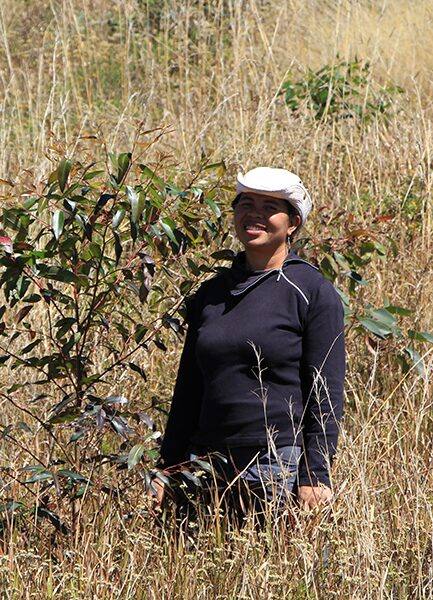
A Malagasy woman among young trees
The bees are back
With equipment, specialist training and good practice shared through Voiala, seven communities have taken up beekeeping.
Bees have found their natural habitat again in the reforested areas. And honey sales have allowed several families to pay for their children’s schooling.
The seven beekeeping communities
- Sahavondronina
- Sariana
- Ambohibory Andrefana
- Amboditanjona
- Ambalamarina
- Sahamavo
- Andoharena
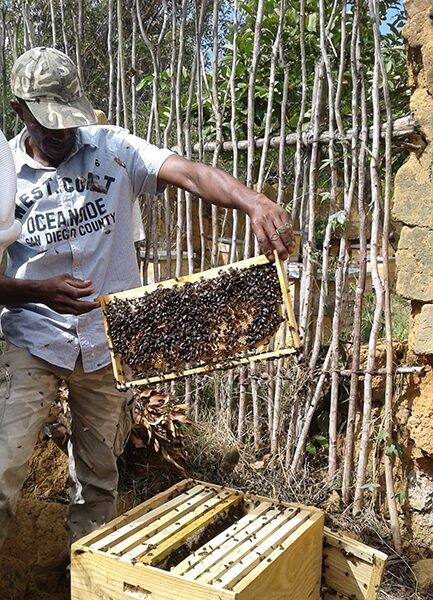
No. 7communities
- Specimen
- Beekeeping
- Loc.
- Sahavondronina and six neighbouring communities
- Leg.
- beekeepers of the seven communities
- Note
- Honey pays for the children’s schooling.
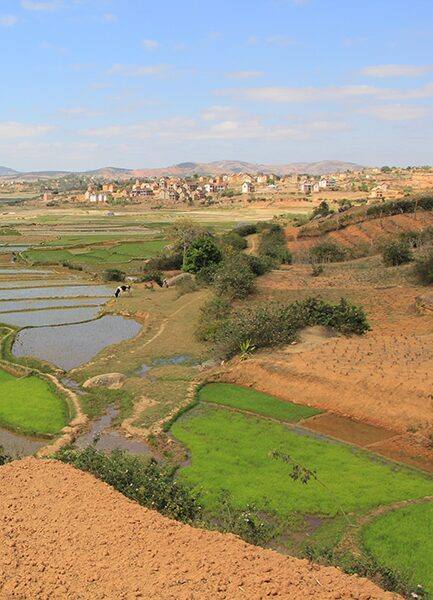
Terraced rice fields and laterite hills in Madagascar
Fields that yield again
In Sahavondronina, most people grow maize and peanuts. Voiala raises awareness and provides training so they can improve the way they farm.
The aim is a more sustainable farming system that respects the forest and local ecosystems, on land that deforestation had left barren.
- Specimen
- Sustainable farming
- Loc.
- Sahavondronina
- Leg.
- maize and peanut farmers
- Note
- Environmental training and better farming practices.
Fish raised above ground
Starting up: demonstration site under construction, not producing yet.
Together with the association TSARABE MADAGASIKARA, Voiala has started building an above-ground fish farm at its office in Fianarantsoa, as a model for the local community.
Water is recirculated in a closed loop through concrete tanks. The system is designed for automated control of temperature, water quality and feeding.
The species chosen is tilapia (Oreochromis niloticus): hardy and fast-growing, it is in high demand locally and can be sold fresh, smoked or processed.
Why raise fish
- Raise fish with economic value, such as tilapia.
- Provide healthy, affordable food for local people.
- Ease the pressure on wild fish stocks.
- Develop environmentally friendly farming.
- Create jobs and increase farmers’ income.
The first fingerlings were planned for January 2026.
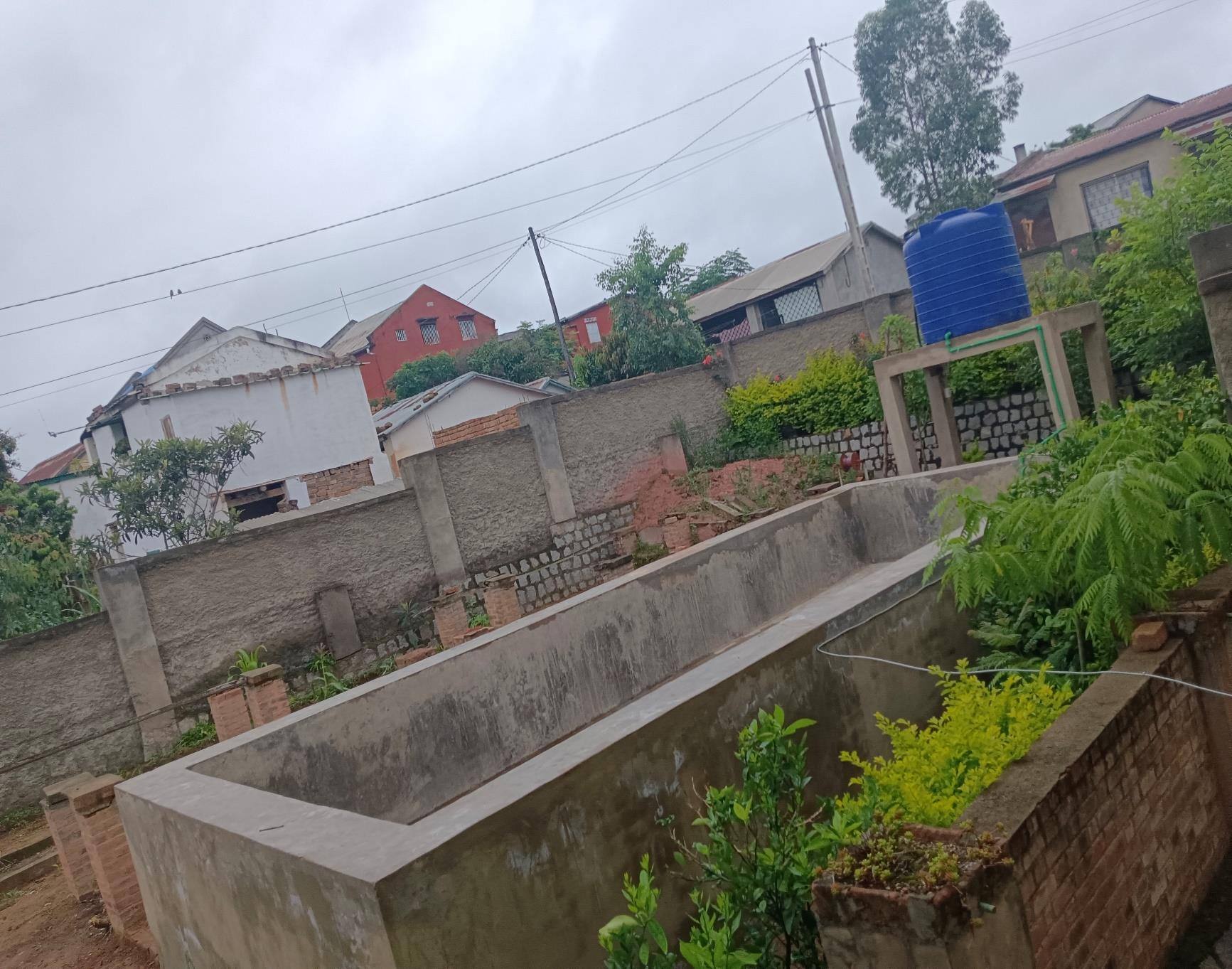
Setting up above-ground fish farming at the demonstration site at the VOIALA Madagasikara office
40.61 m²of tanks at the demonstration site
406 kgof fish a year targeted, approximately
- Specimen
- Above-ground fish farming
- Scientific name
- Oreochromis niloticus
- Fam.
- Cichlidae
- Loc.
- VOIALA-Madagasikara office, Fianarantsoa
- Date
- 2025
- Leg.
- VOIALA-Madagasikara and TSARABE MADAGASIKARA
- Note
- Demonstration site; fingerlings planned for January 2026.
Water for small plots
From 13 to 16 October 2025, two technicians from the Swiss association PEPOPU visited Manamisoa, Andranovorivato and the Voiala office.
They installed two irrigation motor pumps, tested at Andoharena, to improve families’ living conditions and livelihoods.
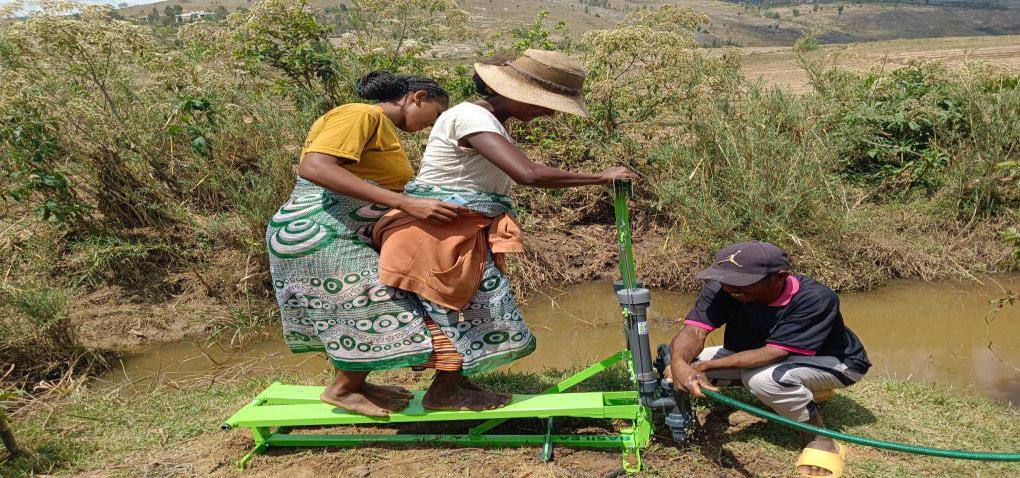
Testing the motor pump during installation at Andoharena, rural commune of Andranovorivato
- Specimen
- Irrigation motor pumps
- Loc.
- Manamisoa; Andoharena, rural municipality of Andranovorivato
- Date
- 13–16 October 2025
- Leg.
- PEPOPU and VOIALA-Madagasikara
- Note
- Two motor pumps installed.
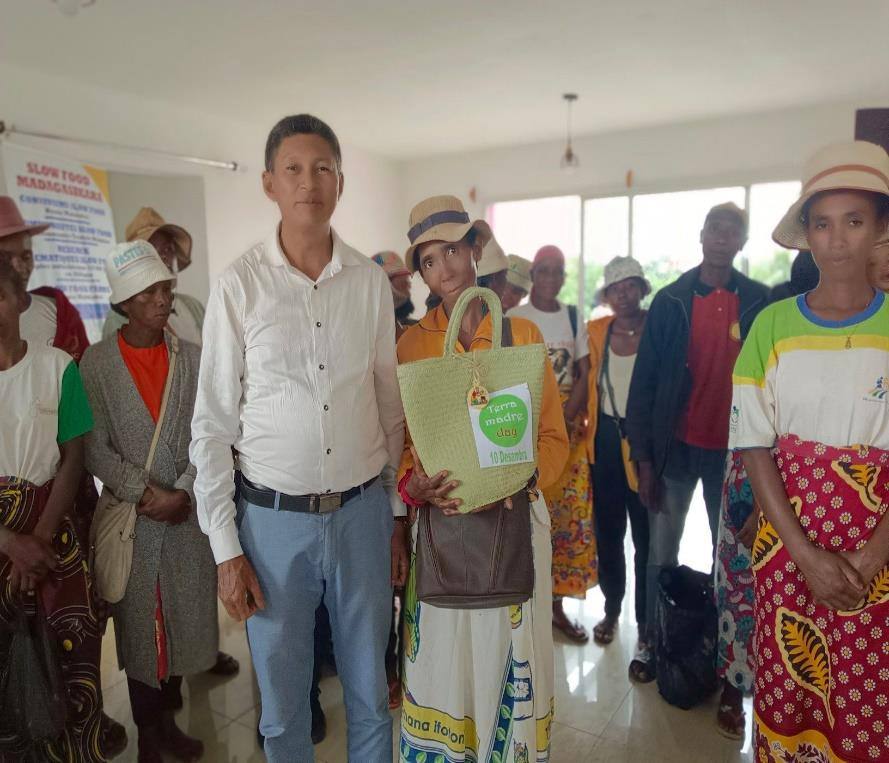
Terra Madre Day 2025 in Alakamisy Ambohimaha
Four days of learning, cooking and celebrating local seeds, with Slow Food.
- Specimen
- Terra Madre Day 2025
- Loc.
- Rural municipality of Alakamisy Ambohimaha
- Date
- 8–11 December 2025
- Leg.
- farmers’ associations of Alakamisy Ambohimaha
- Note
- Each association brought its own local seeds.
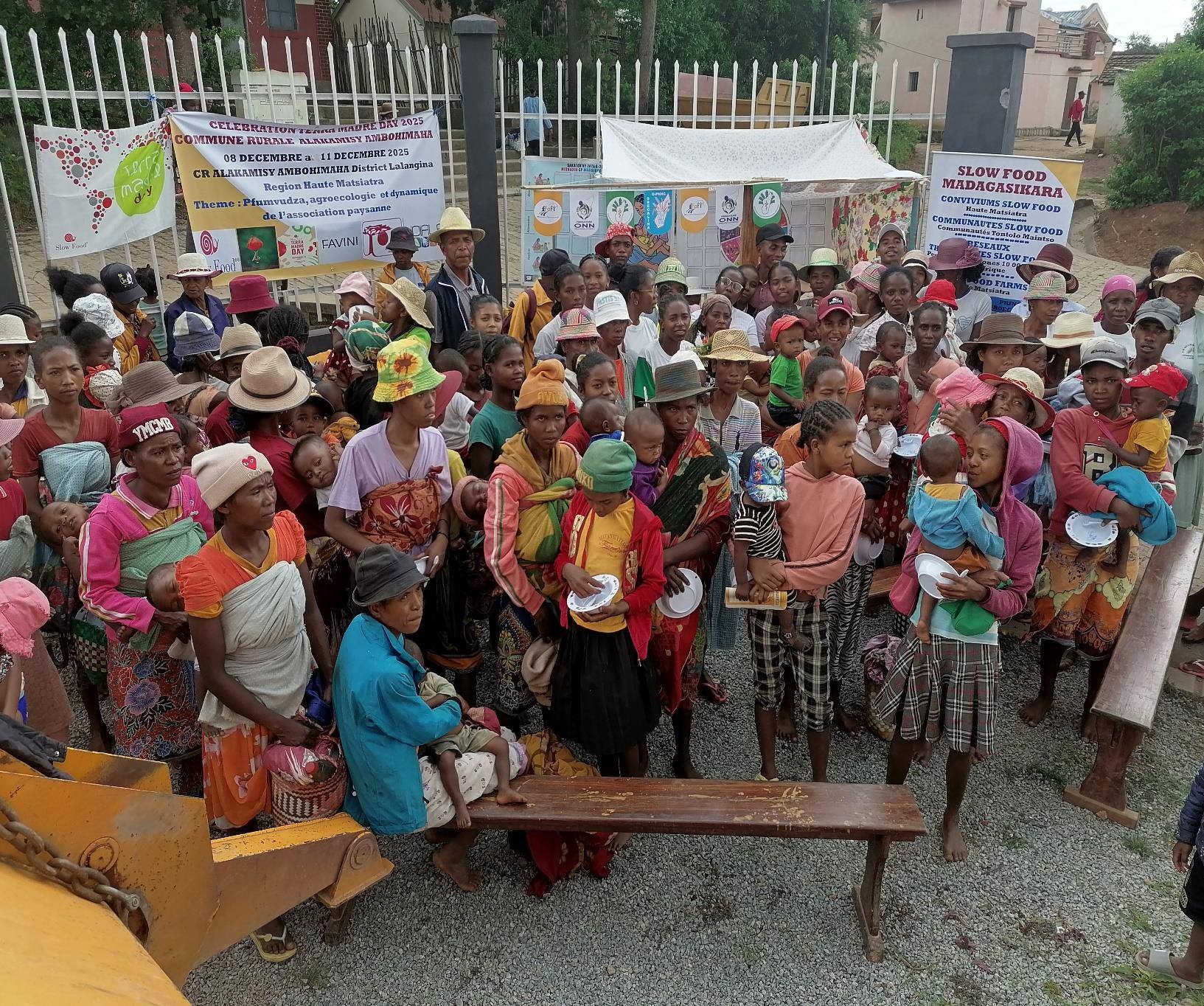
Women taking part in the Slow Food awareness session and cooking education
No. 200mothers and children
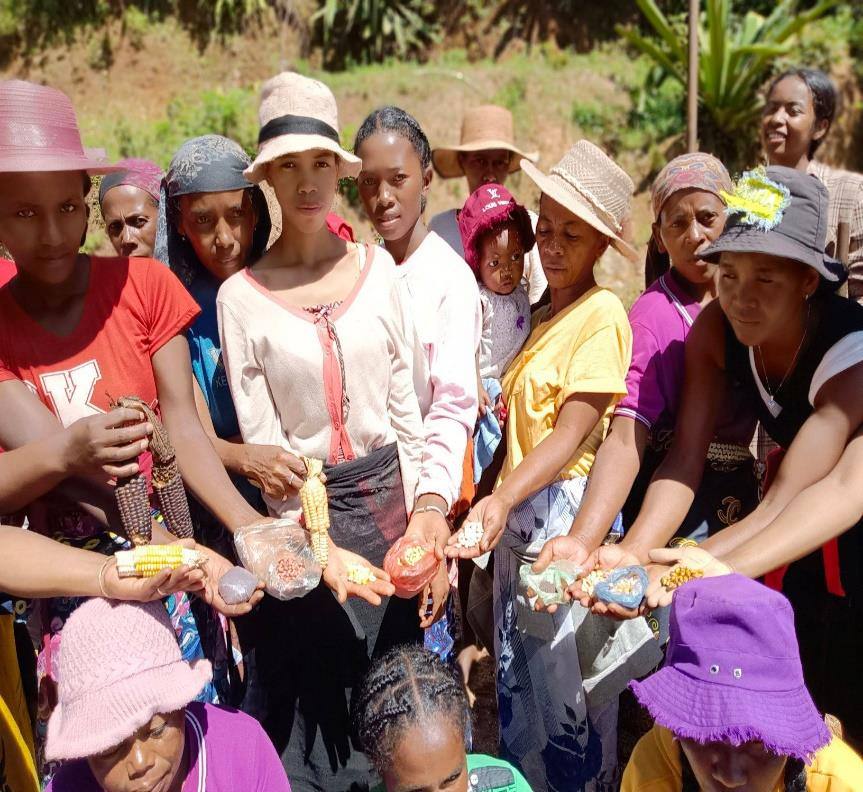
Farmers' associations bring their local seeds to the training and the Terra Madre Day celebration
No. 40participants
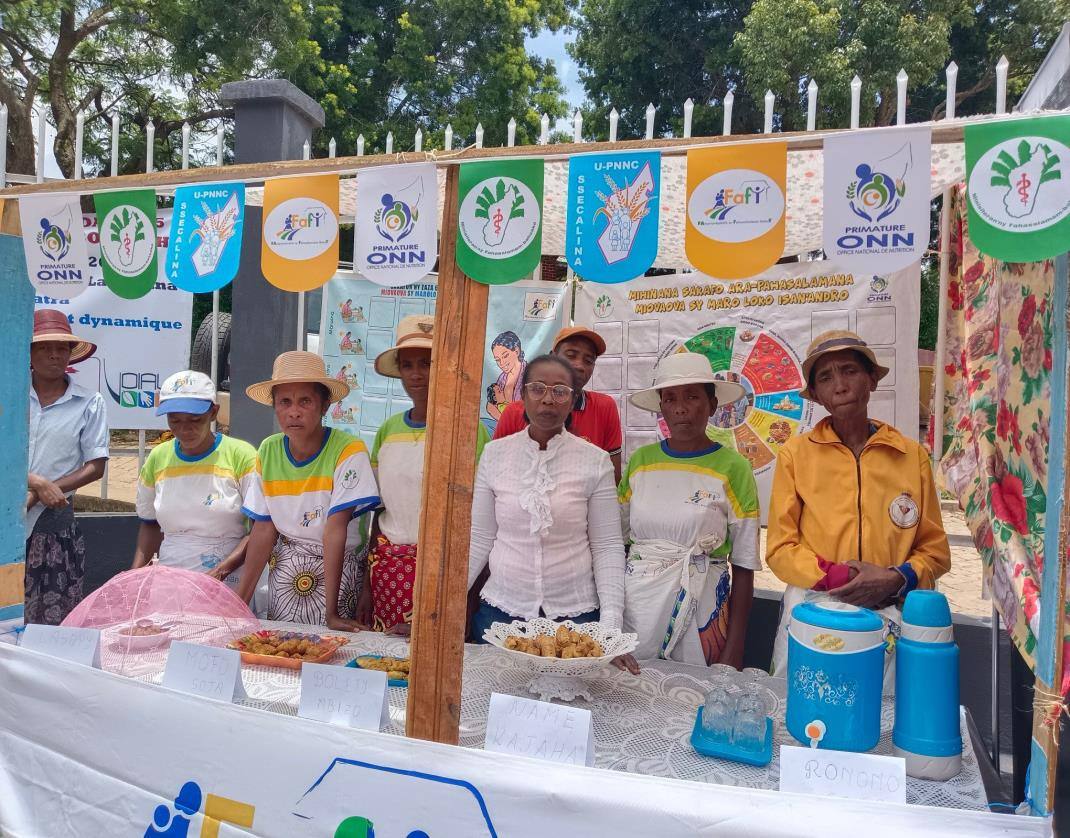
Traditional recipes presented at the cooking contest with the ONN
No. 12modules
Prize-giving with the mayor of the rural commune of Alakamisy Ambohimaha (left) and the contest winner (right)
The three winning recipes
- Soy milk
- Creamy and smooth, with an authentic taste.
- Cassava spring rolls
- Crisp, filled with fresh vegetables and spices.
- Sweet potato dumplings
- Soft, made with local sweet potatoes.
The best cooks received their prizes from the mayor of Alakamisy Ambohimaha, and then everyone tasted the dishes together.
40 participants approximately, trained in Pfumvudza techniques12 modules of training over 4 days, theory then fieldwork200 mothers and children reached by Slow Food nutrition awareness
Learning in the field
With the Pfumvudza Concept Programme (PPC), participants learned sustainable soil management, intercropping, agroforestry and mulching. After the theory, they put it into practice in the fields.
What the event set out to do
- Showcase local produce and seeds.
- Promote sustainable farming through Pfumvudza.
- Celebrate diverse food traditions, biodiversity and agroecology.
- Encourage good, clean and fair food for all, by supporting small producers.
Eat local, eat healthy, eat clean
The sessions covered the Slow Food philosophy and the nutritional needs of pregnant women, breastfeeding mothers and young children, with a focus on local produce and traditional seeds.
The cooking contest
Five groups cooked with local produce: soy milk, sweet potato soup, soy bread, cassava spring rolls, sweet potato dumplings. The contest was organised with the National Nutrition Office (ONN).
A five-member jury
- a representative of the municipality
- a member of Slow Food
- an expert from the Centre de Santé de Base II (primary health centre)
- a member of the National Nutrition Office
- a member of the women farmers’ association
What comes next
A new local Slow Food community is being set up, and follow-up training is planned for 2026.